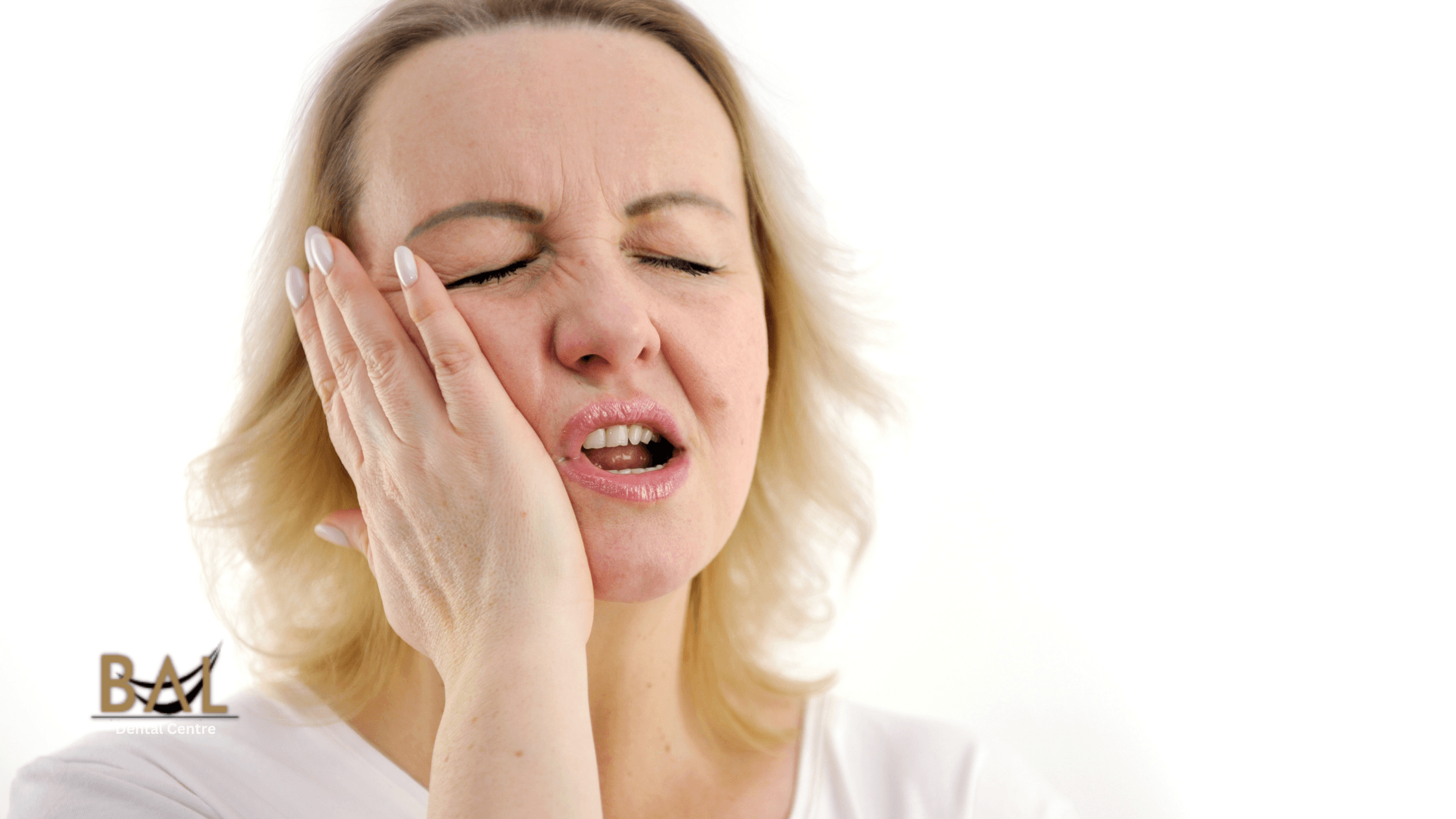
It’s not uncommon to accidentally bite your cheek, but when it happens repeatedly, it can become a frustrating habit that affects your oral health. Understanding the reasons behind this behavior, such as stress, misaligned teeth, or anxiety, can help you find effective solutions.
In this blog post, we’ll explore the factors contributing to cheek biting and show you how seeking dental assistance can provide relief and prevent complications. By addressing this issue, you can improve your overall well-being and maintain a healthier mouth.
The Psychology Behind Cheek Biting
Cheek biting often reflects deeper psychological factors that can manifest in various ways. For many, this behavior can be an unconscious response to emotional distress, serving as a coping mechanism or an outlet for pent-up anxiety.
Understanding these underlying motivations can illuminate why you’re caught in a cycle of frequent cheek biting, revealing a connection between mental well-being and physical habits.
Understanding Triggers: Stress, Anxiety, and Habit
Identifying what triggers your cheek biting can make a significant difference. For some, the action arises in moments of heightened stress or anxiety, like during a challenging meeting or while studying for an important exam.
“Recognizing the context of when cheek biting occurs can help you intervene early—whether it happens during moments of focus or high stress, being mindful of your environment is key to breaking the habit.” – Dr. Gus Bal
In other instances, it may develop into a habitual response that you engage in during moments of distraction, leading to repetitive irritation and potential physical damage to your cheeks.
The Development of Biting Behaviors in Different Age Groups
Cheek-biting behaviors tend to evolve with age, often influenced by social and emotional factors. Children may bite their cheeks out of curiosity or as a response to stress, often seeking comfort in an unfamiliar environment.
Adolescents may engage in biting as a manifestation of anxiety, particularly during formative years filled with social pressures. Adults, on the other hand, might find their cheek-biting habits rooted in long-standing stress responses or as a subconscious reaction to discussions that provoke anxiety.
Understanding how chewing behaviors develop across different age groups offers insight into your experiences. For instance, young children typically bite their cheeks during moments of transition, such as starting school or facing new challenges, as a way to self-soothe.
As they mature, social dynamics may exacerbate feelings of self-consciousness, leading to biting during stress. In adults, habits can solidify over years, often intertwined with greater life pressures, such as work stress or personal relationships, making intervention more critical to break the cycle.
The Impact of Cheek Biting on Oral Health
Cheek biting can lead to a range of oral health issues that extend beyond the immediate discomfort. Frequent occurrences can result in consistent irritation and inflammation of the oral mucosa, making you more susceptible to infections and chronic pain.
If left unchecked, persistent cheek biting can cause serious complications that affect your overall well-being and dental hygiene.
Physical Consequences: Injury and Infection Risks
Injuries from cheek biting can manifest as cuts, bruises, or ulcers within your mouth, leading to significant pain and discomfort. These lesions can also provide a gateway for bacteria, increasing the risk of infections that may exacerbate oral health issues.
“Consistent trauma to the cheek can lead to small cuts that act as entry points for oral bacteria, reinforcing the importance of identifying the triggers early and working to minimize repetitive damage.” – Dr. Gus Bal
Additionally, if you have a habit of biting your cheeks during stress or anxiety, it can lead to persistent trauma, compounding the risk of secondary infections.
Long-term Effects on Dental Structure and Alignment
Frequent cheek biting is often linked to dental misalignment, such as malocclusion or irregular bite patterns, which increases the likelihood of soft tissue trauma during chewing. This misalignment can lead to bite issues, impacting your ability to chew properly and maintain optimal oral function.
You may face challenges that necessitate more intensive dental treatments down the line if these alignment issues are not addressed early on.
Understanding the long-term effects on your dental structure is important for your overall oral health. While cheek biting primarily causes irritation of the oral mucosa, chronic trauma can indirectly contribute to dental issues such as uneven tooth wear—especially when combined with conditions like bruxism (teeth grinding).
However, if it co-occurs with bruxism, it may contribute to wear on the teeth and increased oral discomfort.
The changes may also cause uneven tooth wear, resulting in the need for orthodontic treatment or other restorative dental procedures.
Addressing the issue early can mitigate such complications, preserving both your teeth and your health.
Recognizing the Signs of Cheek Biting
Identifying the signs of cheek biting is necessary for addressing the issue before it escalates. Frequent biting can lead to swollen, painful areas on the cheeks and may cause persistent discomfort.
If you find yourself experiencing recurring soreness or ulcerations in the mouth, it’s likely indicative of a developing habit. Enlisting the help of a dental professional can provide you with the necessary guidance to break the cycle and achieve healthier oral habits.
Behavioral Cues and Self-awareness
Becoming aware of your behavioral cues can significantly aid in recognizing cheek biting. Often linked to stress or anxiety, you might notice yourself clenching your jaw or unconsciously biting down during moments of concentration or tension.
Keeping a journal can help highlight patterns and triggers, giving you deeper insight into when these episodes occur.
Visual Indicators and Dental Observations
Visual indicators can provide a clear indication of cheek biting habits. For example, wearing down on your molars or noticing scars on your inner cheeks can signify repeated contact and trauma.
Dentists may also observe signs of excessive wear on teeth or develop a habit-forming pattern in your dental records that could shed light on issues like bruxism (teeth grinding) or cheek biting.
In a dental visit, your dentist may inspect your mouth for any signs of damage, including lesions, swelling, or signs of inflammation that could indicate repeated cheek biting. They may also check for uneven tooth wear, which can hint at your biting habits.
Documentation of these visual signs can help establish the frequency and severity of the issue, allowing your dentist to recommend both preventative and corrective treatments tailored to your needs. This proactive approach addresses existing problems and empowers you with strategies to minimize cheek biting in the future.
Dental Interventions: Solutions and Treatments
Various dental interventions can effectively address cheek biting, allowing you to regain comfort and prevent further injury. These solutions often involve assessing the underlying causes and tailoring treatments to fit your specific situation.
Whether it’s behavioral support or physical devices, your dentist can guide you through the appropriate options that will alleviate your symptoms and enhance your overall dental health.
Professional Assessments and Customized Plans
Your dentist performs an in-depth evaluation to understand the triggers behind your cheek biting. By discussing your dental history, daily habits, and stress levels, you can collaboratively develop a customized plan tailored to your needs.
This personalized approach ensures that all aspects of the condition are considered, from emotional factors to physical alignment, allowing for a comprehensive treatment strategy.
Key Tools: Mouthguards and Other Preventative Measures
Mouthguards serve as effective tools to protect your cheeks during nighttime grinding or clenching, preventing further irritation. Custom-fitted mouthguards, available through your dentist, are designed to fit your dental structure comfortably, providing the necessary cushioning.
“Combining mouthguards with relaxation techniques, such as jaw stretches before bedtime, can lower the risk of nighttime cheek injury caused by grinding or clenching.” – Dr. Gus Bal
In addition to mouthguards, other preventative measures may include stress management techniques to mitigate anxiety or relaxation exercises to help reduce muscle tension throughout the jaw.
Mouthguards primarily help protect the oral tissues and teeth during nighttime cheek biting or bruxism episodes, particularly for individuals who grind or clench their teeth unconsciously during sleep. Your dentist can take impressions of your teeth to create a bespoke mouthguard that fits snugly and reduces the likelihood of accidental biting during sleep.
Some patients also find success with additional aids such as biofeedback or behavioral therapy, which help develop healthier coping mechanisms. Effectively combining these tools can significantly decrease your cheek-biting instances while improving overall oral health.
Empowering Patients: Coping Strategies Beyond Dentistry
Addressing cheek biting extends beyond dental treatments, as coping strategies can significantly enhance your quality of life. Exploring various methods can offer tools to manage the behavior and reduce its occurrence, empowering you to take control.
By integrating psychological techniques, fostering a support system, and adopting lifestyle changes, you can effectively diminish the frequency and severity of cheek-biting episodes.
Psychological Techniques: Mindfulness and Behavioral Therapy
Mindfulness practices can help you develop greater awareness of your body and actions, enabling you to identify triggers for cheek biting. Engaging in Cognitive Behavioral Therapy (CBT), a well-established treatment for body-focused repetitive behaviors, can assist in addressing underlying anxiety or stress and help reduce cheek biting.
Techniques such as deep breathing or visualization can promote relaxation, reducing the chances of unintended cheek biting.
Building a Support System: Family and Professional Guidance
Establishing a solid support system with family, friends, and professionals plays a vital role in managing cheek biting. Encouragement from loved ones can reinforce positive changes, while professional guidance, such as therapy, can provide a structured approach to behavioral modification.
A strong support network provides accountability, helping you navigate this challenge more effectively.
Having a supportive environment enhances your ability to tackle cheek biting collaboratively. Family members can engage in discussions about your habits, offering reminders and encouragement during stressful moments.
Meanwhile, professionals like therapists can devise customized action plans, equipping you with practical techniques to handle stressors and reduce occurrences. Additionally, joining support groups allows you to connect with others facing similar challenges, which promotes a community spirit and shared understanding that can be both healing and empowering.
With robust support, you can build resilience against this habit, creating lasting changes in your life.
Summing up
Following this, it’s clear that cheek biting can stem from various factors, including stress, anxiety, or misaligned teeth. Understanding the underlying causes is imperative for managing this behavior.
By consulting your dentist, you can explore effective treatment options, such as bite guards for bruxism or orthodontics if misalignment contributes to the problem, alongside stress management strategies. Taking proactive steps with professional guidance helps mitigate cheek biting and promotes your overall oral health.
Empower yourself with knowledge and seek the necessary dental care to improve your well-being.
Don’t Let Cheek Biting Disrupt Your Comfort—Get Help Today
If you or a loved one is frequently biting the inside of the cheek, it could be more than just a bad habit—it might be a sign of an underlying dental issue that requires professional attention. At Bal Dental Centre, our team is here to identify the root cause and offer lasting solutions tailored to your needs.
Book a consultation today and take the first step toward a healthier, more comfortable smile.
Contact us now to schedule your appointment.
Reviewed by: Dr. Gus Bal